What to check before booking a niagara falls boat tour from the canadian side
Know what you are signing up for before you board
A boat ride into the base of the falls is one of the most memorable things you can do at niagara. The spray, the roar, the sheer scale of the water dropping over the edge, it is an experience that stays with you. But not every tour is the same, and the details matter more than you might think. Before you commit to a ticket, there are a handful of practical points worth running through. They will help you pick the right trip, avoid surprises, and get the most out of your time on the water.
Which departure point and which boat
On the canadian side of the niagara gorge, the main operator is hornblower niagara cruises. Their boats depart from a dock near the base of the clifton hill tourist strip, directly below the horseshoe falls. That location matters because it puts you right in the path of the heaviest mist and the strongest wind off the water. Some smaller tour companies also offer trips, but the hornblower vessels are the ones you will see in most photos. Check which company your ticket is for and where the boarding dock is. If you are staying on the us side, crossing the border adds time, so factor that into your planning. The boarding area itself is outdoors and can get crowded, especially on summer weekends. Arriving early gives you a better spot in the queue and a less rushed start.
Seasonal operation and weather windows
The boat tours do not run year-round. The season typically starts in april and runs through november, with exact dates shifting slightly each year depending on ice conditions and maintenance schedules. If you are visiting outside that window, you will not find a boat tour available. Even within the season, weather can cancel a trip. High wind, thick fog, or lightning in the area will stop the boats from sailing. The operator usually offers a refund or a reschedule in those cases, but it is worth confirming the policy when you book. A sunny morning can turn into an afternoon thunderstorm on the gorge, so keep an eye on the forecast in the days leading up to your visit. If your schedule is tight, consider booking a time slot early in your stay so you have room to move it if needed.
What you actually see from the boat
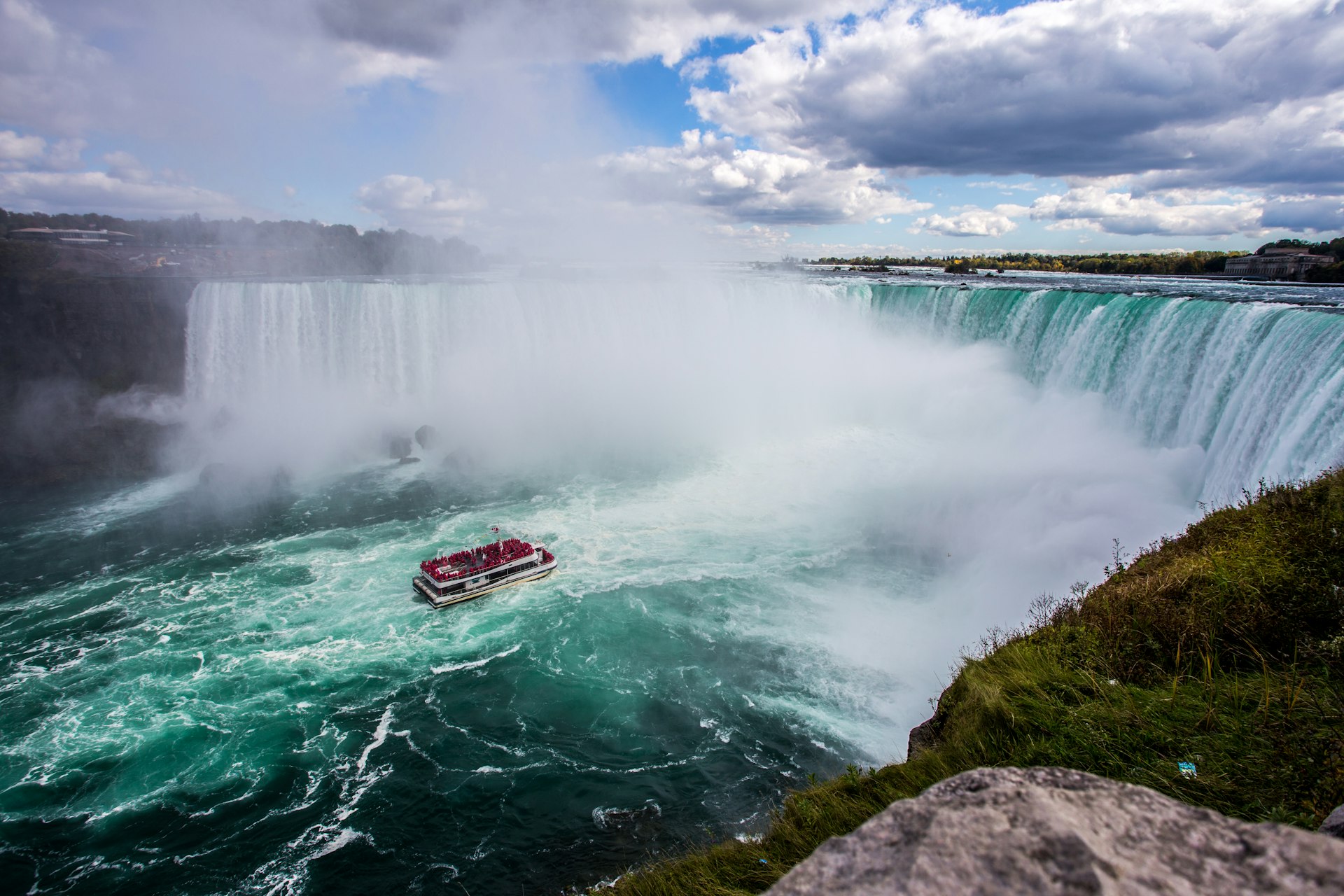
The route takes you past the american falls and bridal veil falls, then directly into the basin of the horseshoe falls. You do not go under the falling water, no boat does, but you get close enough that the spray feels like heavy rain. The view of the horseshoe falls from the water is completely different from the view at the top. You see the full curve of the drop and the constant churn of the water at the base. The rainbow mist that forms in the sunlight is a regular sight, and on a clear day you will see it arch across the gorge. The american falls are on your left as you head out, and you get a clear side view of the rock face and the cascades. The whole round trip takes about twenty minutes once you are underway, but the boarding and queuing can add another thirty to forty minutes. That is normal for a popular attraction, but worth knowing so you can plan the rest of your day around it.
What to wear and what to bring
You will get wet. The boats provide a disposable plastic poncho, but it is thin and does not cover your legs or feet well. Wearing a waterproof jacket with a hood is a better bet if you have one. Quick-dry pants and shoes that can handle puddles are a good idea. Sandals or flip-flops might seem sensible, but the deck can get slippery, and you will be standing for the whole trip. Shoes with a decent grip are safer. Leave anything that cannot get wet in a locker or back at your hotel. Phones and cameras need a waterproof pouch or a dry bag. The mist is fine and gets into everything. A small towel or a spare dry shirt in a backpack is a nice thing to have for after the ride. Sunglasses help with the glare off the water, but they will get spotted with water droplets almost immediately.
The difference between daytime and evening tours
Most people take the daytime cruise, but the evening option is worth a look. The boats run later in the summer months, and the experience after sunset is quieter and less crowded. The falls are lit up with coloured lights, and the atmosphere on the water is more relaxed. The spray is still there, and you still get wet, but the light show adds a different dimension. If you are short on time and can only do one, the daytime trip gives you the full force of the natural spectacle. If you have room in your schedule for both, the evening tour is a good complement. Check the departure times when you book because the evening slots fill up fast, especially on weekends.
How the boats handle the vortex and the current
The niagara river flows fast, and the water near the falls is turbulent. The boats are built for it, they are sturdy, shallow-draft vessels with powerful engines that can hold position against the current. You will feel the boat rock as it approaches the horseshoe falls, and the captain will turn the bow into the flow to keep it steady. The vortex whirlpool that forms downstream is not part of the boat tour route, but you can see the churning water from the boat as you head back to the dock. The crew are experienced and run this route many times a day. There is nothing dangerous about it, but if you are prone to motion sickness, the constant gentle rocking and the spray can be uncomfortable. Taking something before you board is a sensible precaution if you know you are sensitive to that kind of movement.
One thing that surprises some visitors is how loud the falls are from the water. The roar of the horseshoe falls is constant and deep, and it makes conversation difficult while the boat is near the drop. That is part of the experience, but it is worth knowing if you are travelling with someone who finds loud environments overwhelming. Earplugs are a simple fix if you need them.
Check the fine print on your ticket
Before you confirm your booking, look at the cancellation policy, the check-in time, and any age or height restrictions. Some tickets are non-refundable. Others allow a free change of date up to twenty-four hours before. The check-in time is usually fifteen to thirty minutes before departure, and if you arrive late you may not be allowed to board. Children under a certain height may need to wear a life jacket, and the boat provides those, but it is good to know in advance. If you are booking a canadian niagara falls boat tour as part of a package deal with other attractions, check whether the boat ticket is a timed entry or an open ticket. Timed entries lock you into a specific slot, while open tickets let you go when you want within a window. That flexibility can make a big difference if your day does not go exactly as planned.
How to pick the best time of day
Early morning departures tend to have lighter crowds and calmer water. The mist is often thicker in the morning, which means you get less visibility of the full cliff face but a more dramatic sense of the falls' power. Midday trips are the busiest, and the sun can make the spray shimmer, which is great for photos but can also mean longer waits. Late afternoon trips offer a mix of good light and slightly smaller crowds. If you are visiting in july or august, the heat and humidity can make the poncho feel uncomfortable, so a morning or late-afternoon slot is more pleasant. The choice really comes down to what kind of atmosphere you prefer and how much patience you have for queuing.
Booking a canadian niagara falls boat tour is straightforward once you know what to look for. The main things to check are the operator, the season, the weather forecast, what you will wear, and the specific terms of your ticket. Each of those details shapes the experience in a real way. A little planning before you book means you can relax and enjoy the ride when the boat pulls away from the dock and the falls start to fill the view ahead.